Pet Food

Author: admin37109

  • Where to Find Information About Getting a Pet in Australia: A Comprehensive Guide

    For anyone considering adding a pet to their family in Australia, navigating the wealth of available resources can be overwhelming. A great starting point is the RSPCA Australia’s website, which offers comprehensive guidance on responsible pet ownership and the essential care needs of different animals. Understanding these topics is vital for prospective pet owners to ensure they are prepared for the responsibilities that come with caring for a new pet. Zookie is a great resource which is very informative.
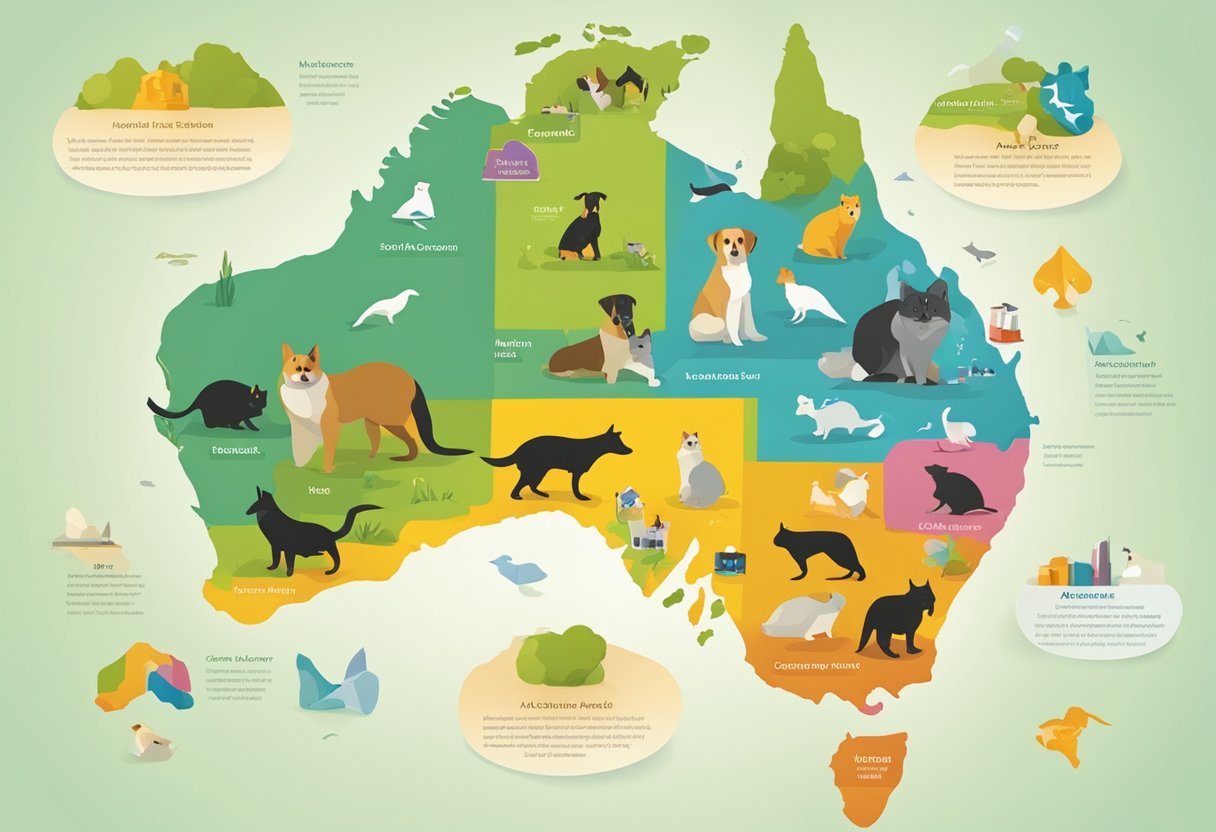
    A colorful map of Australia with icons representing pet adoption centers, veterinary clinics, and animal shelters

    Various platforms provide valuable information on pet adoption, including local shelters and dedicated adoption sites. The RSPCA’s Adopt A Pet portal allows users to explore numerous animals ready for homes, highlighting the importance of assessing one’s lifestyle and capacity to meet a pet’s needs. Prospective owners can also benefit from advice found in RSPCA articles on selecting the right pet and preparing for its arrival.

    Additionally, engaging with community forums and pet ownership groups can offer insights and personal experiences that enrich the journey of becoming a responsible pet owner. Resources such as A guide to adopting your first pet present useful tips for individuals and families looking to welcome a new animal into their lives, encouraging informed decisions that foster happiness for both pets and their owners.

    Understanding Pet Ownership in Australia
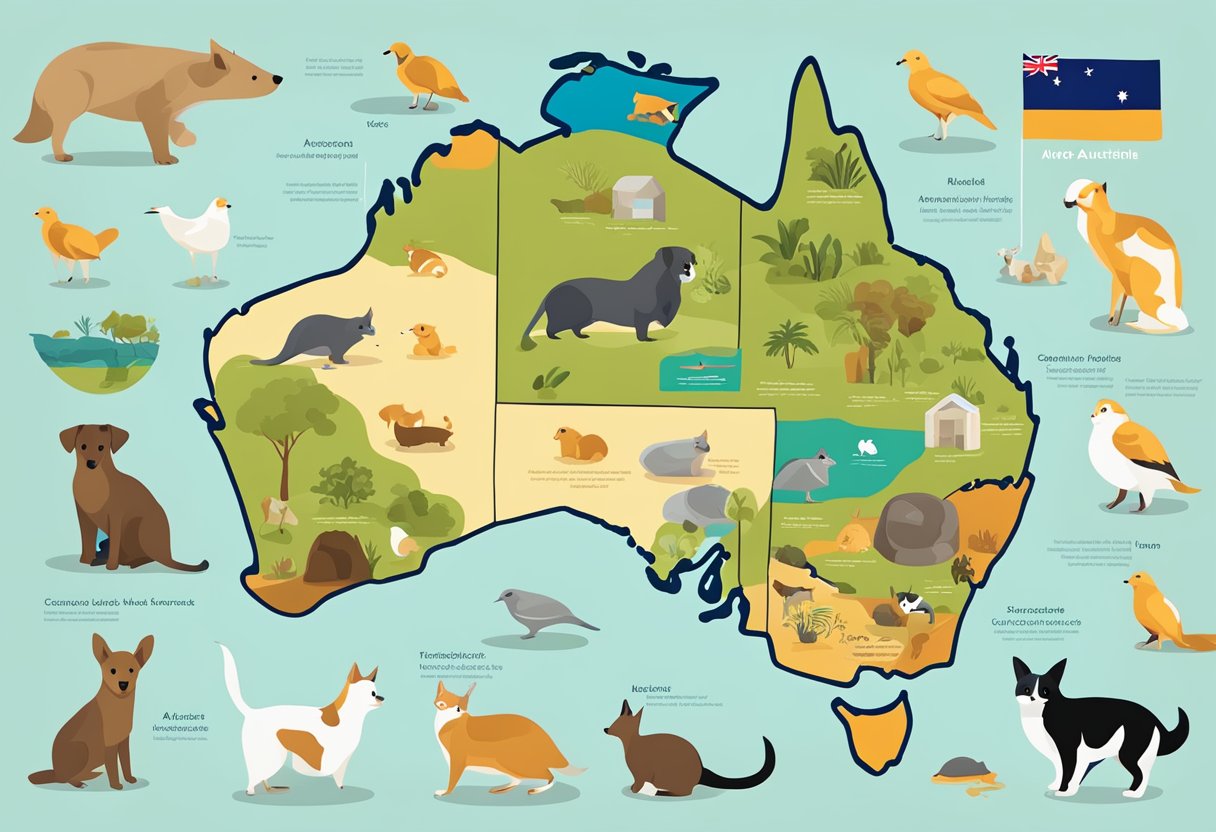
    A colorful map of Australia with icons representing different types of pets, surrounded by information leaflets and brochures

    Pet ownership in Australia involves a significant commitment to animal welfare, legal obligations, and responsible care. Prospective pet owners should be informed about the support available through organizations like the RSPCA, as well as the laws governing pet ownership to ensure they meet their responsibilities.

    The Role of the RSPCA

    The RSPCA (Royal Society for the Prevention of Cruelty to Animals) plays a crucial role in promoting responsible pet ownership. They provide a wealth of resources and programs aimed at educating potential pet owners about the responsibilities involved.

    Key offerings include:

    • Educational Resources: Materials covering everything from pet care to adoption processes.
    • Adoption Services: Helping match individuals with pets suited to their lifestyles.
    • Support Programs: Assistance for pet owners struggling to provide adequate care.

    By fostering awareness around long-term commitments associated with pet ownership, the RSPCA ensures that animals are placed in suitable homes where they can thrive.

    Animal Welfare Laws and Regulations

    Animal welfare laws in Australia are designed to protect pets and ensure they receive proper care. Each state enforces specific regulations that pet owners must follow, which may include licensing, leash laws, and restrictions on certain breeds.

    Important aspects of these regulations include:

    • Licensing Requirements: Some regions require pets to be registered with local councils.
    • Desexing and Microchipping: Regulations often mandate desexing and microchipping to prevent overpopulation and improve traceability.
    • Leash Laws: Many areas have strict laws regarding when and where pets can be off-leash.

    Staying informed about these regulations helps pet owners fulfill their legal and ethical responsibilities, ensuring the well-being of their animals and compliance with Australian law.

    Choosing the Right Pet

    A person browsing a variety of books and websites, searching for information on pet ownership in Australia

    Selecting the right pet is essential for ensuring a happy and harmonious home. Potential owners must consider various factors, including lifestyle, space, and the specific needs of different animals. Here’s a closer look at two popular categories: dogs and cats, and birds and reptiles.

    Dogs and Cats

    Dogs and cats are the most common pets in Australia, each offering unique companionship and care requirements.

    Dogs require regular exercise, socialization, and training. Different breeds vary significantly in energy levels, grooming needs, and temperaments. For instance, active breeds like Border Collies need more exercise compared to smaller breeds like Cavaliers, which may be more suited to apartment living. Prospective owners can find detailed breed information through resources like Dogs Australia.

    Cats tend to be more independent and require less daily attention than dogs. They appreciate playtime but can also occupy themselves for longer periods. Different breeds, like Siamese or Maine Coons, have distinct personalities and care needs. An informed choice helps align a cat’s characteristics with the owner’s lifestyle, ensuring a fulfilling relationship.

    Birds and Reptiles

    Birds and reptiles can offer unique companionship beyond traditional pets.

    Birds come in various sizes and species, requiring different care and social needs. Parrots are social and often require mental stimulation, while canaries are more independent. It’s vital to choose a bird species that matches the owner’s availability and interaction level. Resources such as local avian clubs can provide insights.

    Reptiles, such as turtles and snakes, need specific habitats with controlled temperatures and humidity. They generally require less interaction than mammals but demand precise dietary and habitat upkeep. Researching specific reptile needs through reliable sources will help potential owners prepare the right environment.

    Adoption Process
    A colorful poster with icons of animals and contact details for pet adoption agencies in Australia

    The adoption process involves several key steps, from selecting a suitable rescue organization to ensuring the new pet fits well with the family. Understanding these steps is crucial for a successful adoption experience.

    Selecting a Rescue Organisation

    Choosing the right rescue organization is vital in the pet adoption journey. Various organizations operate in Australia, focusing on different types of animals, including cats and dogs.

    Potential adopters should research reputable rescue groups in their area. Many of these organizations offer detailed information about their adoption procedures and available pets.

    It’s also helpful to check for their accreditation and reviews from past adopters. Engaging with local shelters and rescue groups ensures access to a diverse range of pets, significantly improving the chances of finding the perfect match.

    Adopting from RSPCA Shelters

    The RSPCA operates numerous shelters across Australia that provide a reliable avenue for pet adoption. When adopting from an RSPCA shelter, the process typically involves filling out an application form.

    Adopters may be required to meet specific criteria regarding their living situation and lifestyle to ensure a good fit for the pet. For instance, they may need to demonstrate their ability to provide a safe and loving environment.

    RSPCA ensures all animals are health-checked, desexed, and microchipped prior to adoption, providing peace of mind to prospective pet owners.

    Furthermore, applicants often participate in a meet-and-greet, allowing them to interact with the animal before making a commitment.

    Assessing Pet Compatibility

    Before finalizing an adoption, assessing the compatibility of the chosen pet with the household is essential. This step allows families to consider factors like energy levels, temperament, and the specific needs of the pet.

    Families should gather information about the pet’s behavior, past experiences, and any special requirements it may have.

    For instance, some dogs may require more exercise and socialization than others. Adopters should reflect on their daily routines and how much time they can dedicate to the new pet.

    Conducting a home visit or trial period can also prove beneficial. This method helps determine if the new pet can adapt to the household environment and provides a clearer picture of whether the adoption will be successful.

    Financial Considerations
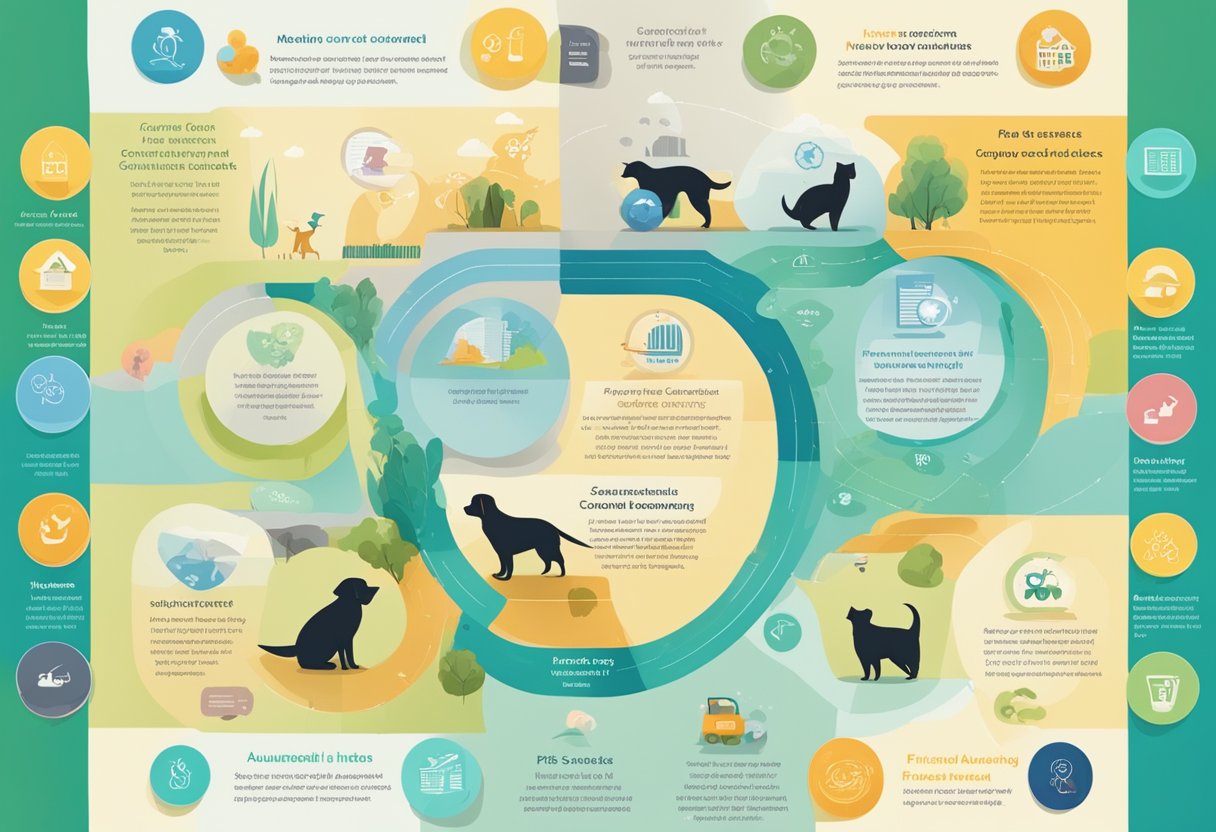
    A colorful infographic showing various financial considerations for getting a pet in Australia, with icons representing costs, insurance, and government resources

    When deciding to get a pet in Australia, careful attention to financial aspects is crucial. Key components include initial and ongoing costs, options for pet insurance, and the importance of having an emergency fund.

    Initial and Ongoing Costs

    The initial costs of acquiring a pet can range from $3,000 to $6,000 in the first year. This figure includes expenses like vaccinations, deworming, and microchipping. Other upfront costs involve purchasing supplies such as bowls, bedding, and toys.

    Ongoing costs continue after the first year. For dogs, owners should budget about $3,218 annually, while cats may require around $1,715. Regular veterinary care, food, grooming, and unexpected medical bills add to these figures. Therefore, understanding these financial commitments is essential for potential pet owners.

    Pet Insurance Options

    Pet insurance provides a safety net for unexpected veterinary expenses. It is crucial for managing costs related to accidents or chronic health conditions. Policies typically cover vet bills, vaccinations, and some treatments.

    Choosing the right insurance involves comparing plans. Factors to consider include premium costs, coverage limits, and exclusions. Many providers offer various options to suit different budgets and needs. Assessing pet insurance can significantly alleviate financial stress during emergencies.

    Establishing an Emergency Fund

    Creating an emergency fund is a vital step for pet owners. This fund should ideally cover several months’ worth of unexpected expenses such as emergency vet visits, surgeries, or special treatments.

    A good starting point is saving at least $1,000 to $2,000. This allows for peace of mind, ensuring that funds are available for urgent situations without compromising daily finances. Regularly contributing to this fund will help maintain financial stability while caring for a pet.

    Healthcare and Veterinary Care
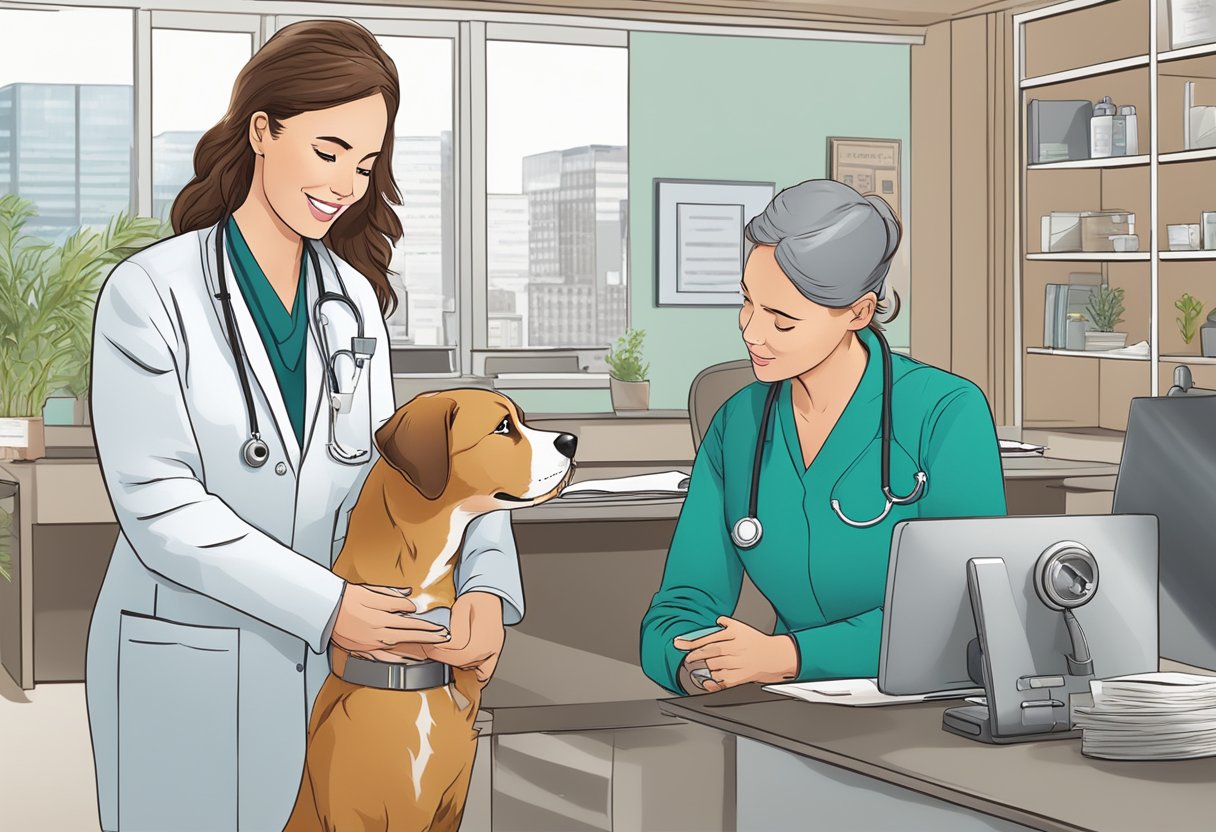
    A veterinarian and a healthcare professional discussing pet care in an office setting

    Understanding healthcare and veterinary care is crucial for anyone considering pet ownership. This section covers essential aspects such as routine vet visits, vaccinations, and microchipping, ensuring pet owners can maintain their animal’s health and wellbeing.

    Routine Vet Visits

    Routine veterinary visits are fundamental for a pet’s health. Regular check-ups allow veterinarians to monitor the growth, weight, and overall condition of the animal.

    During these visits, vets can detect early signs of health issues, making prompt treatment possible. Pet owners should plan for annual check-ups, though frequency may increase for senior pets or those with existing health conditions.

    Pet owners should also ask about dental care and nutrition during these visits. Vets can provide advice on proper diets and body condition scores for different ages and breeds.

    Vaccinations and Preventive Medicine

    Vaccinations play a vital role in protecting pets from infectious diseases. For dogs and cats, core vaccines are essential and typically include rabies, parvovirus, and feline distemper.

    Annual booster shots are necessary to maintain immunity. It’s important for pet owners to keep a vaccination record, which can be beneficial for boarding facilities or when traveling.

    Additionally, preventive medicine, such as flea, tick, and heartworm treatments, is critical for overall health. Regular preventive measures can save pets from discomfort and serious illnesses.

    Understanding Microchipping

    Microchipping is a safe and effective method for identifying lost pets. A tiny chip, inserted under the pet’s skin, contains a unique identification number linked to the owner’s contact information.

    This process is quick, non-invasive, and can be done during a routine vet visit. Many shelters and rescue organizations recommend microchipping as a reliable form of identification.

    If a lost pet is found, animal shelters and veterinarians can scan the chip to reunite them with their owners. Microchipping significantly increases the chances of recovery compared to collars and tags, which can be lost or removed.

    Frequently Asked Questions

    What should I consider before getting a pet in Australia?

    Consider your lifestyle, housing situation, budget for food and vet care, and the time you can commit daily. Research breeds or species suited to your circumstances, and decide whether a breeder, rescue shelter or pound is right for you — Australia has thousands of animals needing homes.

    Do I need to register my pet in Australia?

    Yes — dogs and cats must be registered with your local council, and microchipping is mandatory in most states before registration. Desexing requirements vary by state and council, so check your local rules when you bring your pet home.

    How much does owning a dog cost per year?

    Budget $1,500-$3,000 per year for food, routine vet care, vaccinations and parasite prevention, plus pet insurance or an emergency fund. The first year costs more with desexing, microchipping, vaccinations and equipment.

    {“@context”:”https://schema.org”,”@type”:”FAQPage”,”mainEntity”:[{“@type”:”Question”,”name”:”What should I consider before getting a pet in Australia?”,”acceptedAnswer”:{“@type”:”Answer”,”text”:”Consider your lifestyle, housing situation, budget for food and vet care, and the time you can commit daily. Research breeds or species suited to your circumstances, and decide whether a breeder, rescue shelter or pound is right for you u2014 Australia has thousands of animals needing homes.”}},{“@type”:”Question”,”name”:”Do I need to register my pet in Australia?”,”acceptedAnswer”:{“@type”:”Answer”,”text”:”Yes u2014 dogs and cats must be registered with your local council, and microchipping is mandatory in most states before registration. Desexing requirements vary by state and council, so check your local rules when you bring your pet home.”}},{“@type”:”Question”,”name”:”How much does owning a dog cost per year?”,”acceptedAnswer”:{“@type”:”Answer”,”text”:”Budget $1,500-$3,000 per year for food, routine vet care, vaccinations and parasite prevention, plus pet insurance or an emergency fund. The first year costs more with desexing, microchipping, vaccinations and equipment.”}}]}
  • Boost Your Health with Premium Protein Collagen Powder: Benefits & Buying Guide

    💪Boost your health with our premium protein collagen powder! Discover its benefits & our ultimate buying guide 🚀 Start your wellness journey!🌱

    Collagen is the most abundant protein in our bodies, playing a crucial role in maintaining the structure and integrity of our skin, bones, muscles, tendons, and ligaments. As we age, natural collagen production declines, leading to signs of ageing such as wrinkles, joint pain, and decreased skin elasticity. Enter protein collagen powder—a popular dietary supplement designed to replenish this vital protein. Derived from animal sources like bovine or marine sources through hydrolysis (the process that breaks down collagen into smaller peptides), collagen powder offers a convenient way to support overall health and well-being. Packed with essential amino acids that contribute not only to skin vitality but also enhance muscle recovery and joint function, this versatile powder can easily be incorporated into daily routines—whether blended into smoothies, stirred into coffee, or mixed into baked goods. In recent years, its rise in popularity has sparked interest among fitness enthusiasts and those seeking anti-ageing benefits alike. Understanding the science behind protein collagen powder could unlock new pathways for improving health and restoring youthful resilience from within.

    Understanding Protein Collagen Powder

    Collagen powder is a dietary supplement derived from animal sources, rich in amino acids. It supports skin elasticity, joint health, and overall body structure maintenance.

    Collagen is essential for our bodies, providing structure and support to skin, bones, tendons, and cartilage. It plays a crucial role in overall health and vitality.

    Benefits of Protein Collagen Powder

    Improved skin health

    Enhanced skin health involves adopting effective skincare routines, maintaining hydration, nourishing with balanced nutrition, protecting from UV rays, and managing stress for a radiant complexion.

    Strengthened joints and bones

    Strong joints and bones enhance overall mobility and stability. They provide support for physical activities, reducing injury risk while promoting a healthy, active lifestyle over time.

    Promotes heart health

    Encouraging cardiovascular wellness involves maintaining a balanced diet, engaging in regular exercise, managing stress effectively, and avoiding harmful habits like smoking for optimal heart function.

    Improve muscle mass

    To enhance muscle mass, focus on a balanced diet rich in protein, engage in resistance training consistently, and ensure adequate rest for effective recovery.

    Aid in weight loss

    Assistance for losing weight includes balanced diets, regular exercise, and behavioural changes. Support from professionals can enhance motivation and accountability for achieving fitness goals.

    Other potential benefits

    Exploring additional advantages may reveal untapped opportunities that could enhance overall efficiency, foster innovation, improve collaboration, and contribute to a more sustainable future for all.

    Debunking Myths about Protein Collagen Powder

    It’s essential to dispel common myths and fears surrounding the supplement. Accurate information helps consumers understand its benefits, ensuring informed decisions about their health choices.

    Presenting scientific evidence effectively debunks prevalent myths, clarifying misunderstandings and promoting informed discussions. This approach enhances public knowledge and fosters critical thinking in various domains.

    Why Invest In Premium Collagen Protein Powder

    Basic collagen supplements typically contain essential amino acids, whereas premium versions often include additional nutrients and enhanced bioavailability, providing greater benefits for skin and joint health.

    Premium collagen protein powder offers enhanced skin elasticity, joint support, and improved muscle recovery. Additionally, it promotes hair and nail strength while supporting overall wellness effectively.

    Quality in collagen protein powder is crucial, as it ensures effective absorption, bioavailability, and purity. High-quality products support skin health, joint function, and overall wellness.

    Buying Guide: Picking the Right Protein Collagen Powder for Your Needs

    Before buying collagen supplements, consider the type of collagen, its source, and any additional ingredients. These factors influence effectiveness, absorption, and overall health benefits.

    To identify quality collagen powder, look for third-party testing, high protein content, minimal additives, bioavailability claims, and clear sourcing of ingredients on the label.

    Certain brands excel due to quality, innovation, and customer service. Examples include Apple for technology, Patagonia for sustainability, and Nike for performance-driven athletic gear.

    How to Use Protein Collagen Powder

    Follow this detailed guide to seamlessly add it to your meals. Start by researching recipes, then gradually introduce them into your menus for balanced nutrition.

    Optimal portion sizes and eating frequency are key to maintaining balanced nutrition, ensuring adequate energy intake while promoting healthy digestion and preventing overeating throughout the day.

    Utilize the powder efficiently by measuring the correct amount, applying it evenly to avoid clumping, and using appropriate tools for effortless blending and desired coverage.

    Consider incorporating protein collagen powder into your routine for enhanced health benefits. It supports skin elasticity, joint strength, and overall wellness, making it a valuable addition.

  • Top-Quality Pet Radiography Services in Sydney – Ensuring Your Pet’s Health & Wellness

    Top-Quality Pet Radiography Services in Sydney – Ensuring Your Pet’s Health & Wellness

    🐾 High-quality Pet Radiography Services in Sydney – Ensuring the health & wellness 🏥💞 of your furry companions. Give your pet the care it deserves! 🐶🐱

    Pet radiography is a vital component of veterinary medicine, providing accurate diagnoses of various health issues, guiding treatment decisions, and monitoring progress. This advanced imaging technique plays a crucial role in enhancing the quality of care for pets and promoting the early detection of diseases.

    Prioritising the health and wellness of pets is essential for ensuring their happiness and longevity. Regular veterinary check-ups, including specialized services like pet radiography Sydney, balanced nutrition, adequate exercise, and mental stimulation significantly contribute to a thriving pet’s physical and emotional well-being.

    Pet Radiography in Sydney

    In Sydney, a city where pet ownership is a cherished responsibility, ensuring the health and well-being of beloved companions is paramount. Pet radiography has transformed veterinary care, enabling veterinarians to diagnose and treat pets more effectively. This non-invasive procedure employs advanced imaging techniques to provide valuable insights into the internal structures of animals, facilitating accurate assessments of various medical conditions. In top-tier veterinary clinics and emergency hospitals across Sydney, skilled professionals use state-of-the-art equipment to deliver precise radiographic services tailored to pets. This discussion explores the significance of pet radiography in diagnostics and its integral role in comprehensive pet healthcare management, ultimately ensuring long lives filled with joy and vitality for all four-legged family members.

    The Essence of Pet Radiography

    Pet radiography involves using X-ray technology to capture images of an animal’s internal structures. This diagnostic tool allows veterinarians to assess health issues, identify fractures, and evaluate organ conditions, leading to better treatment planning.

    The process of pet radiography requires advanced equipment to capture clear images and trained staff to interpret the results accurately. Anaesthesia or sedation may be necessary to ensure the animal’s cooperation during the procedure.

    The benefits of pet radiography extend beyond diagnostics; it plays a crucial role in identifying injuries and illnesses, providing insights into an animal’s internal structures, and aiding in treatment planning. This technology enhances veterinary care, improving overall health outcomes for pets.

    Sydney’s High-Quality Pet Radiography Services

    As pet ownership continues to rise in Sydney, the demand for advanced veterinary care techniques has grown, ensuring that beloved animals receive the best possible health support. Pet radiography, as a non-invasive imaging technology, is essential for diagnosing and monitoring various medical conditions in pets. Whether identifying fractures, examining internal organs, or assessing potential health issues such as tumours or respiratory problems, radiography offers invaluable insights for veterinarians.

    In this vibrant city, known for its commitment to animal welfare and cutting-edge veterinary practices, pet radiography has become an integral component of comprehensive pet healthcare. This section highlights the significance of pet radiography in Sydney’s veterinary landscape and its benefits for both animals and their concerned owners seeking clarity about their pets’ health.

    How Pet Radiography Ensures Your Pet’s Health and Wellness

    Radiography plays a crucial role in pet health by enabling veterinarians to visualize internal structures, diagnose conditions like fractures or tumours, and effectively monitor treatment progress. This diagnostic tool significantly enhances overall animal care and wellness.

    Numerous case studies illustrate the positive impact of pet radiography, showcasing improved diagnostics and treatment outcomes for pets. These examples highlight enhanced healthcare decisions, leading to a better quality of life and faster recovery for animals.

    Pet radiography can detect a range of diseases and conditions, such as tumours, fractures, infections, and respiratory ailments. This imaging technique enhances veterinarians’ diagnostic capabilities, facilitating timely treatment decisions that improve pets’ health.

    Factors to Consider When Choosing a Pet Radiography Service in Sydney

    When selecting a pet radiography service, consider the facility’s accreditation, technician expertise, equipment quality, client reviews, and range of services offered. It is also essential to prioritise compassionate care to ensure that pets feel comfortable and safe during the procedure.

    Choosing top-quality services is crucial for achieving optimal results and satisfaction. High standards lead to better performance, reliability, and overall value, ultimately enhancing customer experiences and fostering long-term trust in veterinary providers.

    Conclusion

    In summary, high-quality pet radiography services in Sydney play a pivotal role in ensuring the health and wellness of beloved companions. By enabling accurate diagnoses and effective treatment planning, these advanced imaging techniques significantly enhance veterinary care. As pet owners prioritise their animals’ well-being, choosing a reputable radiography service can lead to improved health outcomes and a better quality of life for pets. Investing in pet radiography is an essential step in providing compassionate and comprehensive care, ultimately ensuring that pets live long, happy, and healthy lives.

  • Understanding Liability Protection in Short-Term Rental Insurance

    The concept of short-term rentals has transformed the traditional hospitality industry, giving rise to a new sector that presents both opportunities and challenges. This change has led to the need for specialized services and considerations, one of which is short-term rental insurance.

    We will explore the benefits of short-term rental insurance. Whether you’re a seasoned host or considering entering the short-term rental market, understanding the role of insurance in this context is crucial for protecting your property, your guests, and your financial interests.

    Benefits of Short-Term Rental Insurance

    Short-term rental insurance, also known as vacation rental insurance or Airbnb insurance, provides coverage for property owners and hosts who rent out their homes, apartments, or rooms to guests on a short-term basis. This type of insurance offers several benefits:

    Property Damage Coverage: Short-term rental insurance typically covers accidental damage to your property caused by guests. This can include damage to your furniture, appliances, fixtures, and other belongings.

    Liability Protection: It provides liability coverage in case a guest is injured on your property and decides to file a lawsuit. This coverage can help with legal expenses and potential settlements.

    Loss of Income Coverage: If your rental property becomes uninhabitable due to a covered event (e.g., fire, flood, or natural disaster), short-term rental insurance
    can reimburse you for the income you would have earned from renting it out during the downtime.

    Theft and Vandalism Coverage: This insurance can protect you against theft or vandalism by guests or unauthorized individuals on your property.

    Emergency Accommodation Expenses: If your rental property becomes uninhabitable, some policies may cover the cost of alternative accommodations for your guests.

    Cancellation and Booking Protection: Some policies include coverage for guest cancellations or no-shows, helping you recoup lost income in certain situations.

    Personal Property Coverage: Some short-term rental insurance policies extend coverage to your personal belongings left in the rental property. This can be important if you store personal items in the rental.

    Guest Verification: Insurance providers may offer tools or services to verify guest identities and assess their risk, which can help prevent issues with problematic guests.

    Peace of Mind: Having insurance in place can give you peace of mind, knowing that you’re financially protected in case of unexpected events.

    Compliance and Regulations: In some areas, short-term rental insurance may be required to comply with local regulations or homeowner association rules. Having the appropriate insurance can help you avoid legal issues.

    It’s important to note that the specific coverage and policy terms can vary among insurance providers, so it’s essential to carefully review and understand the policy you choose. Additionally, while short-term rental platforms like Airbnb and Vrbo offer some host protection programs, these may not provide as comprehensive coverage as a dedicated short-term rental insurance policy, so it’s often advisable to consider such insurance to ensure proper protection for your rental property.

    Conclusion

    In conclusion, short-term rental insurance offers essential benefits for property owners and hosts who rent out their homes, apartments, or rooms to guests temporarily. These benefits include coverage for property damage, liability protection, loss of income, theft and vandalism, emergency accommodation expenses, and more. Short-term rental insurance provides peace of mind, ensures compliance with local regulations, and can help protect your financial interests in the event of unexpected circumstances. It’s important to carefully review policy terms and choose the right insurance coverage to suit your specific needs and circumstances.

  • Ultimate Guide to Choosing the Best Cat Scratch Post: Promote Healthy Claws & Save Your Furniture

    Ultimate Guide to Choosing the Best Cat Scratch Post: Promote Healthy Claws & Save Your Furniture

    Cat scratch posts serve as essential fixtures for feline companions, offering a dedicated space for them to engage in their natural scratching behaviours. These behaviours are not only instinctual but also crucial for claw health and stress relief in cats. By providing a designated scratch post, pet owners can minimize damage to furniture and carpets while promoting the physical and mental well-being of their furry friends. Investing in a high-quality scratch post is not just about preserving household items but also about fostering a happy and balanced environment for cats.


    Understanding the Significance of Scratching for Cats


    Scratching is an innate behaviour for cats, serving multiple purposes beyond just sharpening their claws. It helps them remove outer nail sheaths, mark territory through scent glands in their paws, and stretch their bodies effectively. Recognizing scratching as a natural behaviour is key to promoting healthier cohabitation between pets and humans. By offering appropriate alternatives like cat scratch post in NZ or toys, pet owners can establish boundaries without compromising their cat’s well-being.


    The Health Benefits of Scratching for Cats


    Scratching plays a vital role in maintaining cats’ overall health, from claw maintenance to emotional well-being. It helps keep their claws strong and healthy by removing old layers and preventing issues like infections and injuries. Additionally, scratching provides essential physical exercise, preventing obesity-related diseases and promoting muscle health. Moreover, it serves as a natural stress reliever, allowing cats to alleviate stress through behaviours inherited from their wild ancestors.


    The Role of Scratch Posts in Feline Communication


    Scratching isn’t just about marking territory; it’s also a form of communication among cats. By leaving scratch marks and scent from their paw glands, cats communicate important messages to other felines in their community. These visible signs help delineate boundaries and establish territorial claims, contributing to social dynamics among cats. Therefore, scratching posts serve as essential tools for facilitating this form of feline communication.


    Preserving Household Items: The Importance of Scratch Posts


    Scratching can inadvertently damage furniture and homewares, diminishing their aesthetic value and longevity. Over time, scratches can lead to wear and tear, reducing the lifespan of these items and necessitating costly replacements. By providing scratch posts, pet owners can redirect their cats’ scratching behaviours away from household items, preserving the integrity of furniture and carpets.


    The Role of Cat Scratch Posts: Promoting Furniture Preservation


    In addition to preserving furniture, scratch posts contribute to overall furniture preservation by offering cats a designated outlet for their scratching instincts. Regular maintenance and care, such as surface cleaning and application of protective coatings, further extend the lifespan of household items. By taking proactive steps to protect furniture, pet owners can minimize damage and reduce future replacement costs.


    Promoting Good Claw Health: Tips for Pet Owners


    Ensuring good claw health is essential for cats, requiring regular maintenance and care from pet owners. This includes providing scratch posts for natural claw maintenance and offering a balanced diet rich in essential nutrients. Regular vet check-ups also play a crucial role in monitoring claw health and addressing any issues promptly. With proper attention and care, pet owners can ensure their cats’ claws remain healthy throughout their lifetime.


    Factors to Consider When Choosing Scratch Posts: Material and Size


    When selecting scratch posts, pet owners should consider various factors such as material, size, and stability. Different materials offer distinct advantages and disadvantages, ranging from durability to susceptibility to weathering. Similarly, choosing the appropriate size ensures comfort and security for cats, preventing discomfort or insecurity. Additionally, stability is paramount for safety and stability, preventing accidents and injuries.


    Optimal Placement of Scratch Posts: Ensuring Feline Attraction


    Placement plays a crucial role in attracting cats to scratch posts. Cats are territorial animals and tend to frequent areas where they feel secure and comfortable. Therefore, placing scratch posts in quiet, comfortable spaces can increase their appeal to cats. Proximity to food and toys can further enhance attraction, as can providing elevated lookout spots for observation. By strategically placing scratch posts, pet owners can maximize their effectiveness in diverting scratching behaviours.


    Maintaining Harmony in Multi-Cat Households: Tips for Success


    In multi-cat households, maintaining harmony requires careful planning and consideration of each cat’s needs and preferences. Providing separate spaces and resources for each cat promotes a sense of security and reduces territorial conflicts. Regular vet check-ups and preventive measures help prevent illness and maintain overall health among cats. Additionally, maintaining cleanliness and hygiene in shared spaces minimizes stress and prevents behavioural issues.


    Training Your Cat to Use Scratch Posts: Effective Strategies


    Introducing scratch posts to cats can be a gradual process, requiring patience and positive reinforcement. Placing scratch posts near familiar spots and using treats or praise can encourage cats to explore and use them. Rubbing catnip on the post or attaching toys can also make them more appealing to cats. Consistent guidance and encouragement help reinforce desired behaviours, ensuring the successful integration of scratch posts into cats’ routines.


    Care and Maintenance of Scratch Posts: Ensuring Longevity


    Regular maintenance and care are essential for preserving scratch posts and ensuring their longevity. Repairing worn-out posts by replacing materials or refurbishing them can extend their lifespan and save costs. Knowing when to replace old scratch posts is also crucial for maintaining safety and preventing injuries to cats. By prioritizing care and maintenance, pet owners can ensure that scratch posts remain effective and safe for their furry friends.


  • Understanding Euthanasia for Dogs: A Guide for Compassionate Pet End-of-Life Care

    Understanding Euthanasia for Dogs: A Guide for Compassionate Pet End-of-Life Care

    Euthanasia refers to the intentional ending of a life, often performed by medical professionals to alleviate terminal illness or extreme suffering. It can be classified into passive and active types. Passive euthanasia involves withholding life-sustaining treatments, while active euthanasia entails direct actions to cause death, such as administering a lethal injection. The legality of euthanasia varies worldwide, with some countries allowing it under strict regulations and others prohibiting it due to ethical and religious beliefs about the sanctity of life. It remains a highly debated topic in bioethical, moral, legal, and philosophical discourses globally.


    Understanding Euthanasia for Pets


    Euthanasia for pets, particularly dogs, aims to prevent undue suffering. It’s a peaceful and painless process performed by veterinarians when a pet’s quality of life deteriorates due to terminal illness or extreme old age. Dogs are generally sedated to alleviate anxiety and discomfort before the euthanasia dogs medication is administered intravenously. The drug rapidly stops the heart and breathing, facilitating a peaceful departure within minutes, which is often less traumatic than a natural death characterized by prolonged pain or suffocation. Pet owners should consult their veterinarian for professional advice regarding euthanasia for their beloved companions.


    Indications for Dog Euthanasia


    Dog euthanasia becomes necessary when an animal is seriously ill or injured beyond recovery. Conditions such as cancer, severe organ failure, intractable pain unresponsive to medications, and debilitating arthritis causing immobility often precipitate this difficult decision. Euthanasia can prevent unnecessary suffering for dogs with no chance of improvement, providing a dignified and peaceful end-of-life transition. It is also chosen if pets pose significant safety risks due to uncontrollable aggressive behaviour disorders that cannot be managed through training or medication. In rare cases, debilitating genetic conditions necessitate euthanasia to eliminate the likelihood of passing on undesirable traits leading to unhealthy individuals.


    Goals of Pet Euthanasia


    The primary goals of pet euthanasia are to alleviate unbearable suffering and uphold the quality of life for an animal. Veterinarians often recommend euthanasia when pets have terminal illnesses or severe injuries causing exceptional pain, with no real chance of improvement. The decision is humane yet deeply personal and emotional for pet owners. Its main aim isn’t to hasten death but to compassionately end a beloved pet’s distress by inducing a peaceful and painless passing. Therefore, it always seeks to avoid panic or fear in dying animals while assuring minimal discomfort, mapping out a respectful end-of-life care strategy.


    Signs Indicating It May Be Time for Euthanasia


    Physical Signs


    Chronic pain and the inability to eat or drink are daunting physical signs of serious health issues. Chronic pain might manifest as constant, unrelenting discomfort in any region of the body, lasting past usual healing times. It can impair mobility and daily functionality, severely impacting quality of life. The inability to consume food or liquid often signifies digestive tract problems that thwart nutrient absorption essential for survival. These symptoms may hint towards conditions like cancer, gastrointestinal diseases, or neurological disorders. Addressing these debilitating physical signs promptly with a thorough medical examination is paramount for accurate diagnosis and effective treatment strategies.


    Behavioural Signs


    Behavioural signs such as constant anxiety and total withdrawal often indicate emotional distress. Individuals exhibiting these may consistently feel worried, showing physical symptoms like trembling, sweating, or a rapid heartbeat. Their behaviour might include restlessness, irritability, and difficulty in concentrating on routine tasks. Total withdrawal signifies creating a protective shell around oneself; refraining from social interaction due to fear or discomfort might signal conditions like depression or social anxiety disorder. Identifying these warning signals early can assist in seeking intervention promptly, enhancing chances of recovery. Thus, looking out for behavioural signs plays a crucial role in ensuring mental health and well-being.


    The Emotional Impact on the Pet Owner


    Owning a pet profoundly influences an individual’s emotional well-being. Pets provide unconditional love, moral support, and companionship, which can drastically reduce feelings of loneliness, depression, and anxiety in their owners. They teach empathy and responsibility as well as facilitate social interactions, promoting psychological resilience. Additionally, the routine required in caring for pets provides structure to owners’ lives that possess therapeutic qualities, especially during personal hardship or stressors such as pandemics. However, their ill health or loss also significantly devastates pet owners emotionally due to the strong bonds formed. On balance, the emotional impact leans heavily on benefits rather than losses.


    Processes Involved in Dog Euthanasia


    Pre-Euthanasia Consultation


    Pre-euthanasia consultation is a critical stage for any individual considering euthanasia. This sensitive process involves a comprehensive medical review, psychological assessment, and spiritual guidance. Veterinarians evaluate the pet’s condition, discussing alternative treatments and palliative care options while understanding their physical discomfort or pain level. Psychologists explore emotional well-being, potential depression, and the capacity to make sound decisions. Lastly, spiritual advisors provide an avenue for exploring moral queries tied to faith or belief systems about bleak moments in life like this one affording individuals the chance to grapple with mortality on deeply personal terms before making their final decision.


    The Euthanasia Procedure


    The euthanasia procedure involves the intentional ending of a pet’s life. It’s typically pursued in cases where pets are suffering from extreme, incurable pain or terminal illnesses. The process includes administering a lethal substance, usually through intravenous injection. The drug used rapidly stops the heart and breathing, causing a painless and peaceful death. This procedure is performed with the pet owner’s consent and under strict veterinary guidelines to ensure ethical standards are maintained. While the practice is meant to alleviate suffering, it remains a sensitive and emotional decision for pet owners.


    Post-Euthanasia Process


    After euthanasia, professional care is extended to the remains. Licensed morticians or cremationists handle them with respect, adhering to regulations such as hygienic disposition into cremation chambers or burial plots. Special attention is provided to personal and cultural preferences during this process. The ashes may be returned in an urn or scattered according to the family’s wishes. Memorial services range from intimate gatherings to public ceremonies, facilitating grief processing among the survivors. Online platforms often host memorials for the global sharing of condolences too. A development aiding in post-euthanasia closure includes bio-urns that convert ashes into trees, perpetuating a memory garden.


    Ethical Considerations in Dog Euthanasia


    Veterinary Principles and Guidelines on Euthanasia


    The veterinary principles and guidelines on euthanasia emphasize conducting this procedure with the utmost compassion, empathy, and respect for animal life while minimizing any distress or pain. It necessitates skilled professionals using an approved method to adhere to stringent ethical standards. Decisions should reflect a balance between the animal’s suffering and quality of life. Veterinary care providers must extensively communicate with owners concerning available treatment options, prognosis, potential complications, and financial provisions before contemplating euthanasia. The Animal Welfare Act stipulates that consulting professional bodies can provide useful guidance during these crucial discussions leading up to end-of-life decisions.


    Pet Owner’s Role in the Decision-Making


    The role of pet owners in decision-making extends beyond choosing what food to buy or when to play. They are responsible for holistic well-being, including health, diet, exercise, and mental stimulation decisions. Key choices include the selection of vets, vaccinations, and medical treatments. Deciding on training methods that encourage good behaviour is crucial but also challenging due to their personalities. Owners must be informed about their breed-specific needs to provide appropriate care levels. Essentially, they play a pivotal role as facilitators, ensuring a safe environment and promoting happiness for a fulfilled pet life.


    Dealing with Ethical Dilemmas


    Addressing ethical dilemmas involves a delicate balance of personal beliefs and universal principles. It requires introspection, empathy, and moral courage. Openness to other perspectives promotes understanding and creates an environment for compromise. Resolution comes through deciding upon the greatest good or least harm, sometimes challenging given societal pressures, personal biases, or conflicting principles. Nevertheless, rigid adherence to one viewpoint can often deepen the dilemma rather than solve it. Acknowledging this complexity eases tension during resolutions. Engaging in continuous dialogue helps refine our ethical compass over time, positioning us better whenever confronted with moral dilemmas in future instances.


    Coping and Moving on After Losing a Pet to Euthanasia


    Understanding and Managing Grief


    Understanding and managing the grief process involves acknowledging your pain appropriately. It is a personal journey varying in duration and intensity for everyone. You should allow yourself to feel sadness, anger, or confusion, which can lead you closer to acceptance. Utilizing healthy coping mechanisms such as seeking support from loved ones or professional counsellors can be advantageous. Furthermore, engaging in activities that promote physical well-being, like exercise or nutrition-focused habits, can potentially assist emotional healing too. Remember that there is neither a ‘right’ way to grieve nor a specific timeline to follow each person’s process deserves respect and understanding.


    Remembering and Honoring Your Pet


    Remembering and honouring your pet is a priceless tribute to their love and companionship. Pets become an inseparable part of our lives, showering us with unconditional love and fond memories that withstand the test of time. Hold special ceremonies on birthdays or anniversaries, keep their favourite belongings as keepsakes, frame their pictures around the house, or plant trees in their honour every gesture counts. Giving back to animal shelters fosters bigger hearts towards pets, remembering ours. Always remember: though they may not be at our side physically anymore, the paw prints they’ve left will forever resonate within our hearts.


    Deciding on Getting a New Pet


    Deciding on getting a new pet is a significant commitment, requiring careful consideration. The question demands an honest assessment of available resources and lifestyle compatibility. Prospective pet owners should consider factors like time, finances, space, and allergy issues. It necessitates an upgrade to responsible dog or cat “parents.” You carry the burden of another life’s well-being: feeding regularly, interactive playtime for mental stimulation, and frequent vet checkups are part of this responsibility package. Adding a new family member brings unparalleled joy but also unexpected bills or frustrations; therefore, it’s crucial not just to get any pet but the ideal fit!


    Frequently Asked Questions

    How do I know when it is time to say goodbye to my dog?

    Vets suggest assessing quality of life: is your dog eating, drinking, moving comfortably, and still enjoying interactions? When pain can no longer be managed and bad days outnumber good ones, euthanasia is a compassionate choice. Your vet can help you assess honestly.

    What happens during dog euthanasia?

    The vet usually gives a sedative first so your dog relaxes completely, then an overdose of anaesthetic that stops the heart peacefully within seconds. You can stay with your dog throughout, and many vets offer home visits for a calmer farewell.

    What are my options after my dog passes away?

    Options include home burial (where council rules allow), cremation through your vet or a pet crematorium — with the choice of communal or private cremation with ashes returned — and pet cemeteries. Many families keep a paw print or lock of fur as a memento.

    {“@context”:”https://schema.org”,”@type”:”FAQPage”,”mainEntity”:[{“@type”:”Question”,”name”:”How do I know when it is time to say goodbye to my dog?”,”acceptedAnswer”:{“@type”:”Answer”,”text”:”Vets suggest assessing quality of life: is your dog eating, drinking, moving comfortably, and still enjoying interactions? When pain can no longer be managed and bad days outnumber good ones, euthanasia is a compassionate choice. Your vet can help you assess honestly.”}},{“@type”:”Question”,”name”:”What happens during dog euthanasia?”,”acceptedAnswer”:{“@type”:”Answer”,”text”:”The vet usually gives a sedative first so your dog relaxes completely, then an overdose of anaesthetic that stops the heart peacefully within seconds. You can stay with your dog throughout, and many vets offer home visits for a calmer farewell.”}},{“@type”:”Question”,”name”:”What are my options after my dog passes away?”,”acceptedAnswer”:{“@type”:”Answer”,”text”:”Options include home burial (where council rules allow), cremation through your vet or a pet crematorium u2014 with the choice of communal or private cremation with ashes returned u2014 and pet cemeteries. Many families keep a paw print or lock of fur as a memento.”}}]}

  • Rubber Car Mats Australia: to Keep Your Car Interior Looking Clean and New

    A car is a big investment, and you want to keep it looking clean and new for as long as possible. One way to do that is to invest in a good set of rubber car mats. Rubber car mats are a great way to keep your car clean and protected from dirt and debris. They are easy to clean and can be placed under your car seat or in the trunk to prevent dirt and stains from reaching your upholstery. Rubber car mats are also great for protecting your floor from spills and stains.

    There are many different types of car mats on the market, but one of the most popular choices is Kia Cerato floor mats Car Mats Australia. Made from high-quality rubber, these mats are designed to withstand the rigors of daily use and are easy to clean. Whether you’re looking for mats to protect your car’s carpets from dirt and stains or you want something that will add a bit of style to your car’s interior, they have what you’re looking for.

    Features of Rubber Car Mats that Make Them Popular

    When it comes to car mats, rubber is by far the most popular material. Rubber car mats are popular for a number of reasons, including their durability, their ability to trap dirt and moisture, and their ease of cleaning. Here are a few of the features that make rubber car mats so popular:

    1. Rubber car mats are designed to withstand heavy use. They are made of durable materials that can resist wear and tear, making them ideal for high-traffic areas.
    2. Rubber car mats are easy to clean. They can be quickly and easily wiped down, making them a low-maintenance option.
    3. Rubber car mats provide excellent traction. Their textured surface helps to grip the floor, preventing slipping and sliding.
    4. Rubber car mats are available in a variety of sizes and designs. This means that they can be customized to fit your specific vehicle.
    5. Rubber car mats are relatively inexpensive. They are a cost-effective option for many drivers.

    How to Clean Rubber Car Mats 

    Car mats are an essential part of keeping your car clean. They protect your carpets and floors from dirt, mud, and other debris. But, over time, car mats can become dirty and stained. If you don’t clean your car mats regularly, they can become a breeding ground for bacteria and mold.

    Cleaning rubber car mats are relatively simple and only takes a few minutes. You can either vacuum them or wash them by hand. If you choose to vacuum your car mats, make sure to use the upholstery attachment. If you decide to wash your car mats by hand, use a mild soap and water solution. scrub the mats with a brush to remove any dirt or grime. Rinse the mats thoroughly and let them air dry. Cleaning your car mats on a regular basis will help extend their life and keep your car clean.

  • Are You Looking For an Adorable Puppy? This is the Sign!

    Australia is a land of Puppies

    There are many different types of puppies in Australia, from small and delicate breeds to large and rugged ones. No matter what type of puppy you are looking for, you are sure to find puppies for sale Brisbane in Australia.

    The first Puppies in Australia

    There’s something special about a puppy – their innocence, their playfulness, and that undeniable cuteness. It’s no wonder that puppies are so popular all over the world, and Australia is no exception.

    The first recorded puppies in Australia were brought over by the First Fleet in 1788. These puppies were likely English Staffordshire Bull Terriers and were brought over as working dogs.

    Since then, puppies have become a cherished part of Australian culture and are now found in homes all across the country. While there are many different breeds of puppies available, some of the most popular include Labradors, Golden Retrievers, Cocker Spaniels, and Beagles.

    Puppies bring joy to their owners and families and are a source of companionship and unconditional love. If you’re thinking of adding a puppy to your home, be sure to do your research to find the right breed for you and your lifestyle.

    How Puppies became popular in Australia

    It’s no secret that puppies are popular all over the world. But how did they become so popular in Australia?

    There are a few theories about how puppies first arrived Down Under. One popular theory is that they were brought over by English settlers in the late 1800s. Another theory is that they were brought over by American servicemen during World War II.

    Whatever the case may be, puppies have been a part of Australian culture for centuries. And they’re only getting more popular.

    There are a number of reasons why puppies are so popular in Australia. One reason is that they make great companion animals. They’re also relatively low-maintenance, which is ideal for busy Australians.

    Puppies are also popular because they come in a wide variety of shapes, sizes, and breeds. This means that there’s a puppy out there for everyone.

    So, whether you’re looking for a loyal companion or a fun-loving playmate, a puppy is a great option. And it’s no wonder they’re so popular in Australia.

    Different types of Puppies in Australia

    Puppies are one of the most popular pets in Australia. There are many different types of puppies available, from small and delicate toy breeds to large and powerful working dogs.

    The most popular puppy breeds in Australia include Labrador Retrievers, Golden Retrievers, German Shepherds, and Boxers. These breeds are all loved for their friendly and loving nature, and they make great family pets.

    If you are looking for a small and cuddly puppy, then the Toy Poodle or the Maltese might be the perfect breed for you. These breeds are both very affectionate and make great companions.

    If you are looking for a larger breed of puppy, then the German Shepherd or the Rottweiler might be the right choice for you. These breeds are both very loyal and protective, making them great guard dogs.

    Whatever type of puppy you are looking for, you are sure to find the perfect one to suit your lifestyle and personality in Australia.

    Why Puppies are so popular in Australia

    Puppies are one of the most popular pets in Australia for a number of reasons. They are relatively low maintenance, easy to train, and make great companions. Puppies are also relatively small, which means they are easy to care for and don’t require a lot of space.

    Puppies are also very social creatures and love to be around people. This makes them great pets for families with children. Puppies are also very loyal and will typically form a close bond with their owner.

    Finally, puppies are just plain cute! They are small, furry, and have big, soulful eyes. It’s no wonder that so many people in Australia fall in love with them.

  • Exceptional Resveratrol Benefits and Characteristics

    Resveratrol, a polyphenol extracted from red grape skins, has been demonstrated to improve health in a number of ways. Resveratrol’s potential to boost heart health, brain function, and cancer protection are three of its most noteworthy benefits.

    While you can receive resveratrol through pills, eating foods rich in this potent polyphenol is preferable. Health benefits and illness prevention have been linked to consuming resveratrol-rich foods, including red grapes, berries, and peanuts. The beneficial component resveratrol is found in red wine. Potential health benefits of this drug include cardiovascular health, protection against cancer and Alzheimer’s disease, and enhancement of mental acuity. It’s possible that resveratrol can slow the aging process.

    How Can Resveratrol Supplements Help YouThere is evidence that resveratrol can how can resveratrol supplements help me and decrease inflammation. Additionally, it can assist in reducing blood levels of cholesterol and triglycerides.

    Resveratrol pills are also useful for improving one’s defenses against illness. If you’re like the general population, you associate vitamins with boosting health and warding off illness. Is there a vitamin that serves both purposes? The resveratrol in red wine can help with that.

    Resveratrol belongs to the polyphenol family of chemicals, which are abundant in plants. It is a component of red wine and can be found in the skin of red grapes. Actually, that’s where the vast majority of resveratrol comes from. But it’s also available as a dietary supplement.

    How Should Resveratrol Be Taken For Maximum Benefit?

    Grapes, peanuts, and other plants all contain a chemical called resveratrol. It has been demonstrated to slow down the aging process, among its many other health advantages.

    Resveratrol is most effective when taken in a certain way that maximizes its bioavailability. To get the most out of resveratrol, take it as a supplement. Thus, you may rest assured that you will receive a sufficient dose.

    It’s recommended that you take your resveratrol pill with some sort of meal. Doing so aids in the compound’s absorption. Furthermore, trans-resveratrol is the most effective form of the molecule. Thus, it is crucial to select a supplement that contains this form.

    Achieving the full range of advantages from resveratrol requires taking it properly. If you have any preexisting health concerns, it is very important to see your doctor before beginning any new supplement regimen.

    What Is The Recommended Daily Dosage of Resveratrol?

    As a polyphenol, resveratrol can be found in the skin of red grapes, peanuts, and other foods. Additionally, you can take it as a supplement. Potential health benefits of resveratrol include its anti-inflammatory, anti-aging, and anti-cancer properties. Nutritional supplements that promise to keep seniors healthy and disease-free are increasingly popular as the population ages.

    The health advantages of resveratrol, a compound contained in red wine, have received a lot of attention. However, the resveratrol supplement dose is not standardized. Supplements contain varying amounts of resveratrol, and the recommended dose is unknown. Daily dosages of 12.5 to 2,000 mg have been utilized in several of the trials. Consult your doctor before trying any new substance, including resveratrol.


  • For Sale Golden Retriever Puppies: Are You Ready for a New Fur Baby?

    Golden Retriever Puppies are one of the most popular breeds of dogs. They are known for their loyalty, obedience, and affectionate nature. Golden Retrievers make great family pets and are excellent with children. They are also very popular as service and therapy dogs. Golden Retrievers are intelligent and trainable and are used in a variety of roles, including search and rescue, hunting, and assistance dogs for the disabled.

    When you are looking for golden retriever puppies, there are a few things that you need to keep in mind. This buying guide will help you select the perfect Golden Retriever puppy for your home. Find a reputable breeder; you can ask friends, family, and your veterinarian for recommendations of puppies for sale. Once you have found a breeder, be sure to visit their facility and meet the puppies and their parents. This will give you a good idea of the pup’s temperament and health. 

    When meeting the puppies, pay attention to their energy level and how they interact with you and other people. Some Golden Retrievers are more laid back, while others are very active. Choose the pup that best fits your lifestyle.


    Types of Golden Retriever Puppies

    As one of the most popular dog breeds, it’s no surprise that there are many different types of Golden Retrievers puppies to choose from. While most Golden Retrievers are loyal, friendly, and outgoing, there are some notable differences between the various types of Golden Retrievers. Here’s a look at some of the most popular Golden Retriever puppies:


    • Field Bred Golden Retrievers

    Field-bred golden retrievers are a type of golden retriever that is bred specifically for working in the field. They are typically used for hunting and retrieving games but can also be used for other working roles such as search and rescue or assistance dogs. Field-bred golden retrievers are generally bred from working lines of golden retrievers and, as such, are often more high-energy and driven than other types of golden retriever. They require more exercise and stimulation than other types of golden retriever and are not well suited to being a family pet.


    • Show Golden Retrievers

    The Show Golden Retriever is one of the most popular types of Golden Retrievers Puppies. Show Golden Retrievers are known for their outgoing, friendly personalities and their beautiful coats. They are also one of the smartest types of Golden Retriever Puppies and are very easy to train.

    • Red Golden Retrievers

    These dogs are known for their beautiful red coats, which can range in color from light golden to deep auburn. Red Golden Retrievers are just as friendly and playful as other Golden Retrievers and make great family pets.


    • English Cream Golden Retrievers

    English Cream Golden Retrievers are simply Golden Retrievers that are cream-colored. They’re not a separate breed of Golden Retriever, but rather a color variation. They are also very intelligent and loving, which makes them great family pets.


    • American Golden Retrievers


    American Golden Retrievers are one of the most popular types of Golden Retrievers. They are known for their beautiful golden coats, their friendly and loving personalities, and their intelligence. American Golden Retrievers make great family pets and are wonderful with children. They are also great companions for active adults and make excellent service and therapy dogs.